Programa acciones por la diversidad biológica
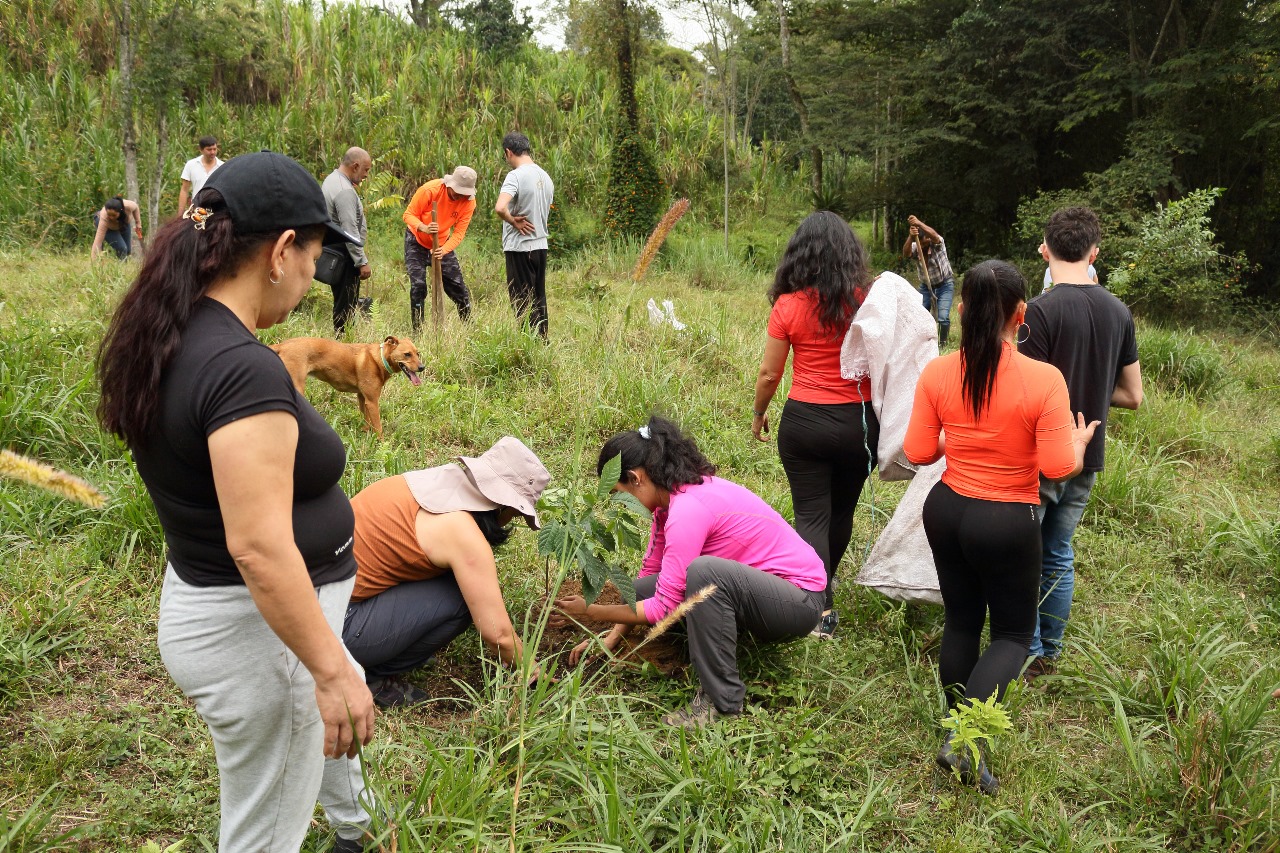
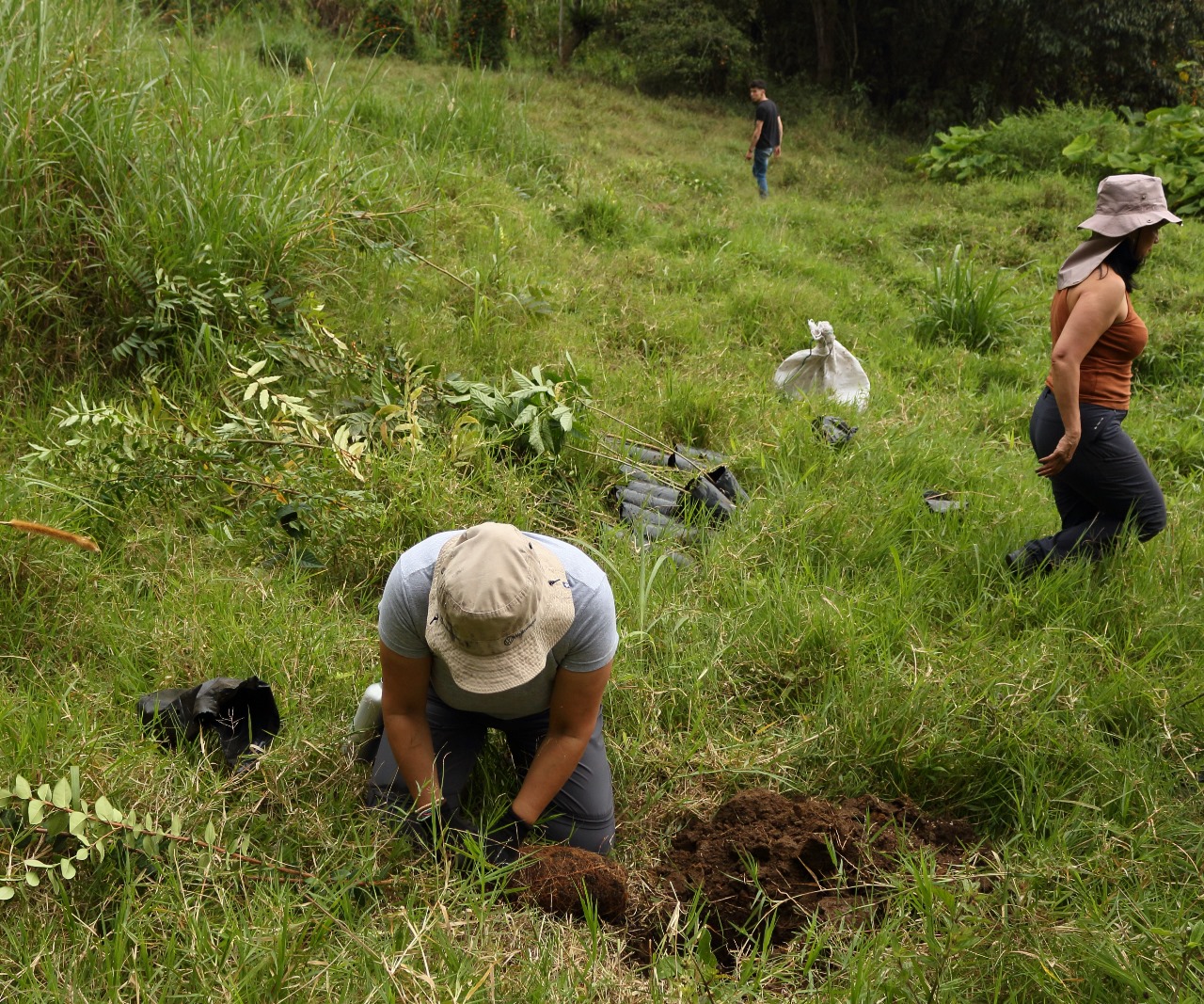
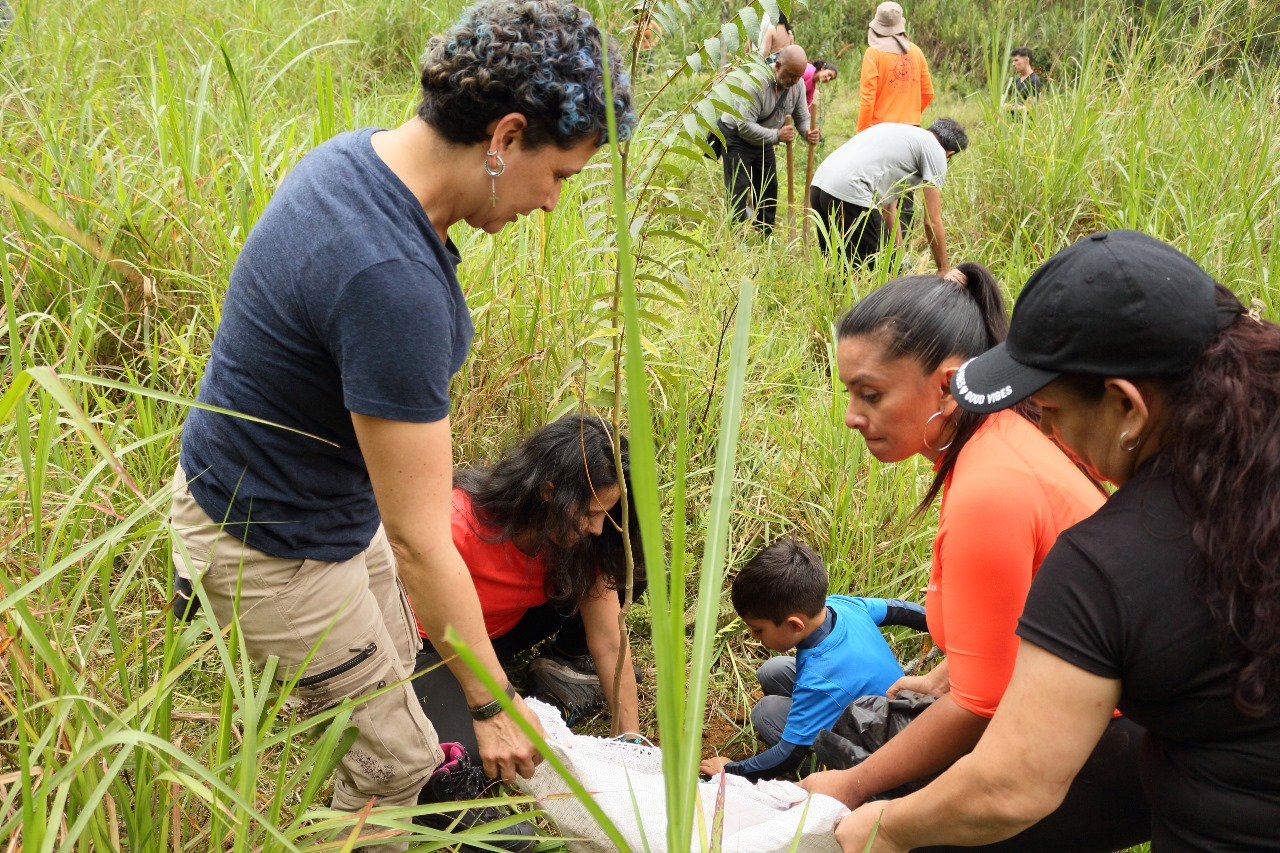
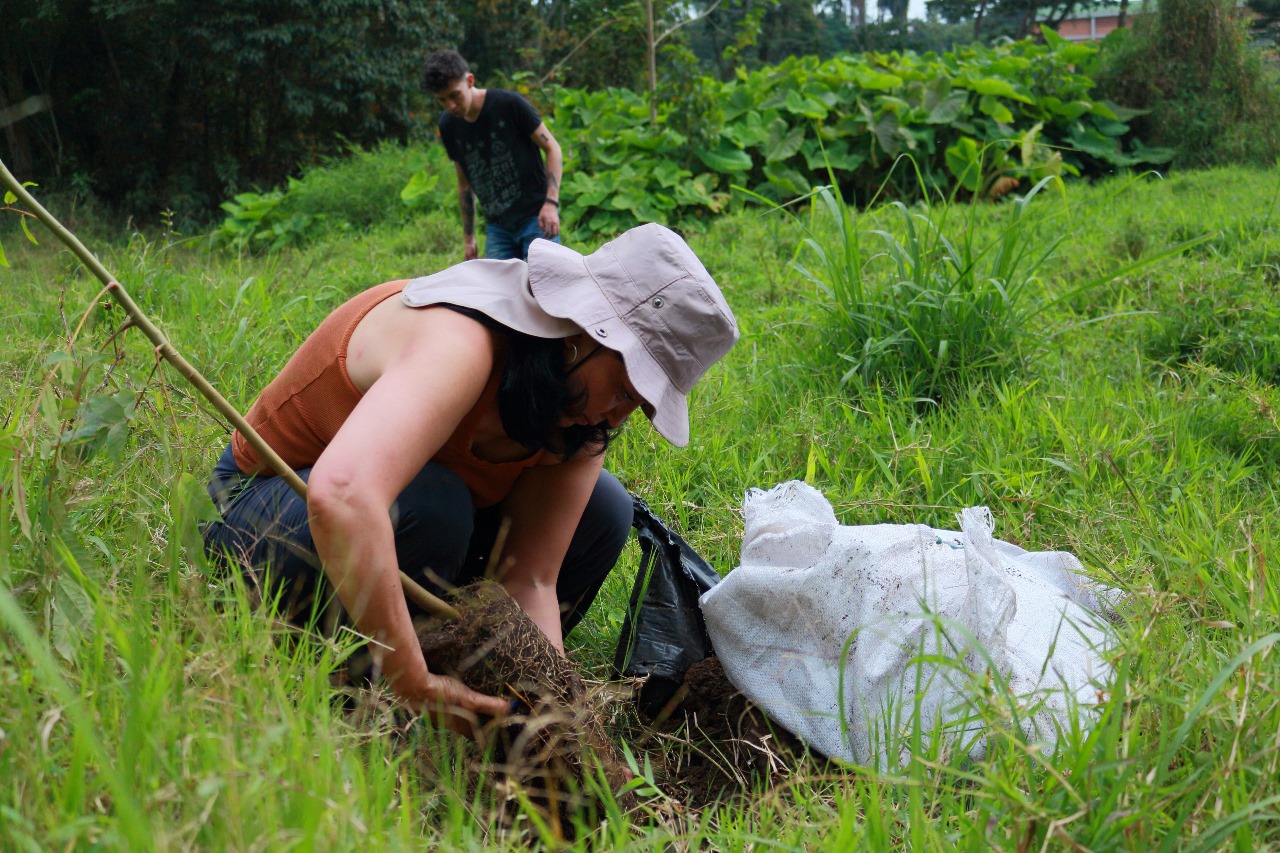
El 9 y 10 de marzo sembramos 50 árboles árboles nativos en Subia – Cundinamarca de las siguientes especies:
Cedro
(Cedrela montana)
Un árbol magestuoso, una hermosura nativa que ha sido explotada por la calidad de su madera. Lo nombraron cedro por su parecido a árboles europeos de la familia de los pinos, pero en realidad es Sur Americano y crece entre 1500 y 3100 m s. n. m. , llegar hasta 60 metros de altura y puede vivir más de 60 años.
Sus frutos maduros se conocen como «flores de palo» y son una obra de arte de la naturaleza. Sus verdaderas flores son blancas y durante la floración son muy visitadas por abejorros y colibríes.
Es una especie Amenazada.
Arrayán
(Myrcianthes rhopaloides)
Se distribuye en la región andina de Colombia en alturas de 2200 a 3200 m s. n. m.
Crece entre 6 y 16 metros de altura, los frutos de esta especie son comestibles es altamente visitado por insectos como abejas, moscas, polillas y por aves como la Diglossa cyanea comúnmente conocida como Pinchaflor enmascarado.
Guayacán amarillo
(Handroanthus chrysanthus)
Especie nativa de América tropical con alta atracción de fauna. Su rango altitudinal está entre 0 y 2000 m s. n. m. y puede medir hasta 35 metros de altura.
Es de rápido crecimiento. Sus flores son muy vistosas en forma de racimos de campanas amarillas que son muy visitadas por insectos y aves polinizadoras y esto eleva su importancia en procesos de restauración ecológica.
Es una especie Vulnerable.
Cerezos
(Prunus serotina)
Se encuentra en una elevación entre los 2000 y 2900 m s. n. m. hasta 15 m de altura, de crecimiento rápido tolera suelos con fertilidad baja por lo que es fácil de utilizar en procesos de restauración ecológica, recuperación de suelos y áreas degradadas. Visitado por abejas, abejorros y muchas aves como la Cotinga crestada, Picogordo Degollado, Picogrueso Dorsinegro , Piranga Roja, Azulejo Común, Vireo Ojirrojo , Sirirí Norteño y Mirla Patinaranja.
También su fruto es deseado para preparar mermeladas.